
Tanzania
Northern Tanzania
National Park
304 km² crater floor
World Heritage Site
A PROLOGUE
Ngorongoro Crater is the world’s largest intact volcanic caldera and one of Tanzania’s most exceptional wildlife destinations. Located within the Ngorongoro Conservation Area, it lies on the Northern Safari Circuit between Lake Manyara and Serengeti.
The crater floor covers approximately 304 km² and is surrounded by steep walls rising up to 600 metres. Its grasslands, forests, swamps, soda lake and freshwater pools support an exceptional concentration of wildlife throughout the year.
Ngorongoro is one of the best places in Tanzania to see the Big Five. Lions, elephants, buffalo, leopards and the critically endangered black rhino can all be found in the crater, alongside zebras, wildebeest, hippos and many bird species.
A visit usually involves a full-day game drive descending from the crater rim to the floor. The surrounding conservation area also supports Maasai pastoral communities, making Ngorongoro a remarkable landscape of wildlife, geology and living culture.
BIRD SPECIES RECORDED
WILDLIFE-RICH CRATER FLOOR
LARGE ANIMALS WITHIN THE CRATER
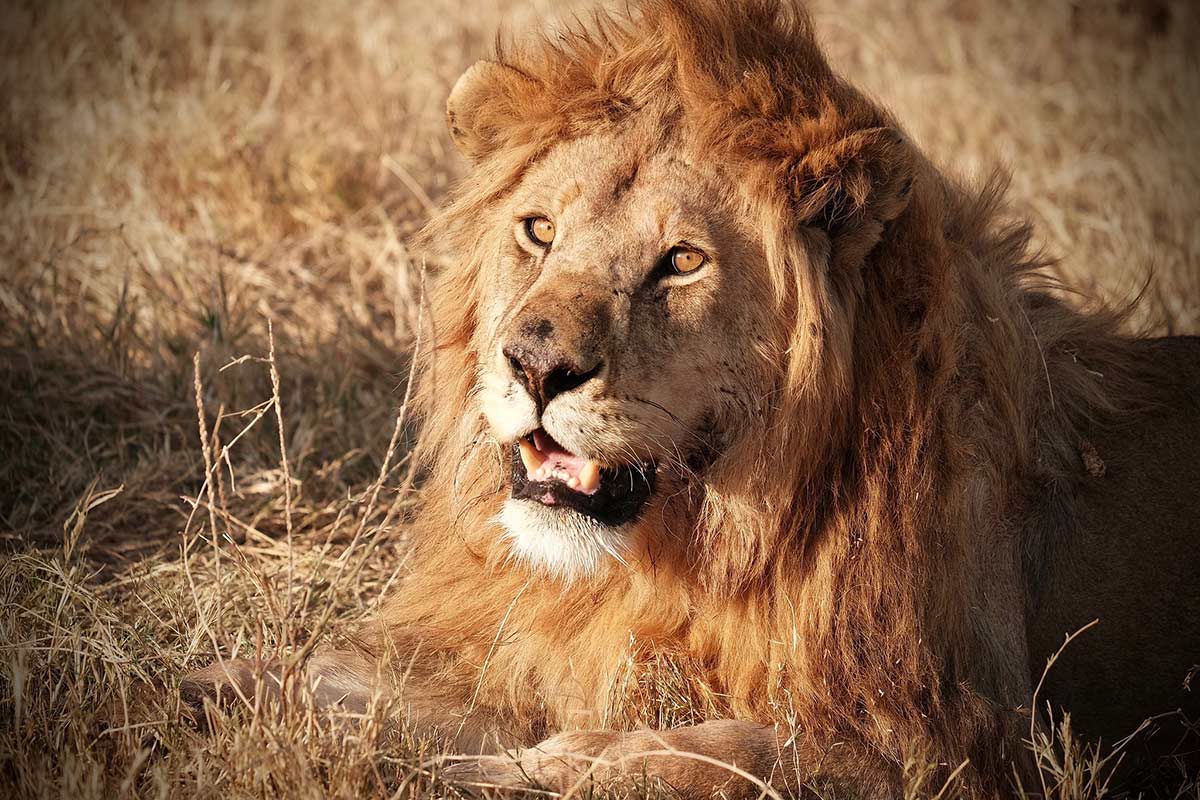
Often found in the crater’s open grassland and near kopjes.
One of Tanzania’s best places to look for this endangered species.

Seen in woodland, near swamps and across the crater floor.
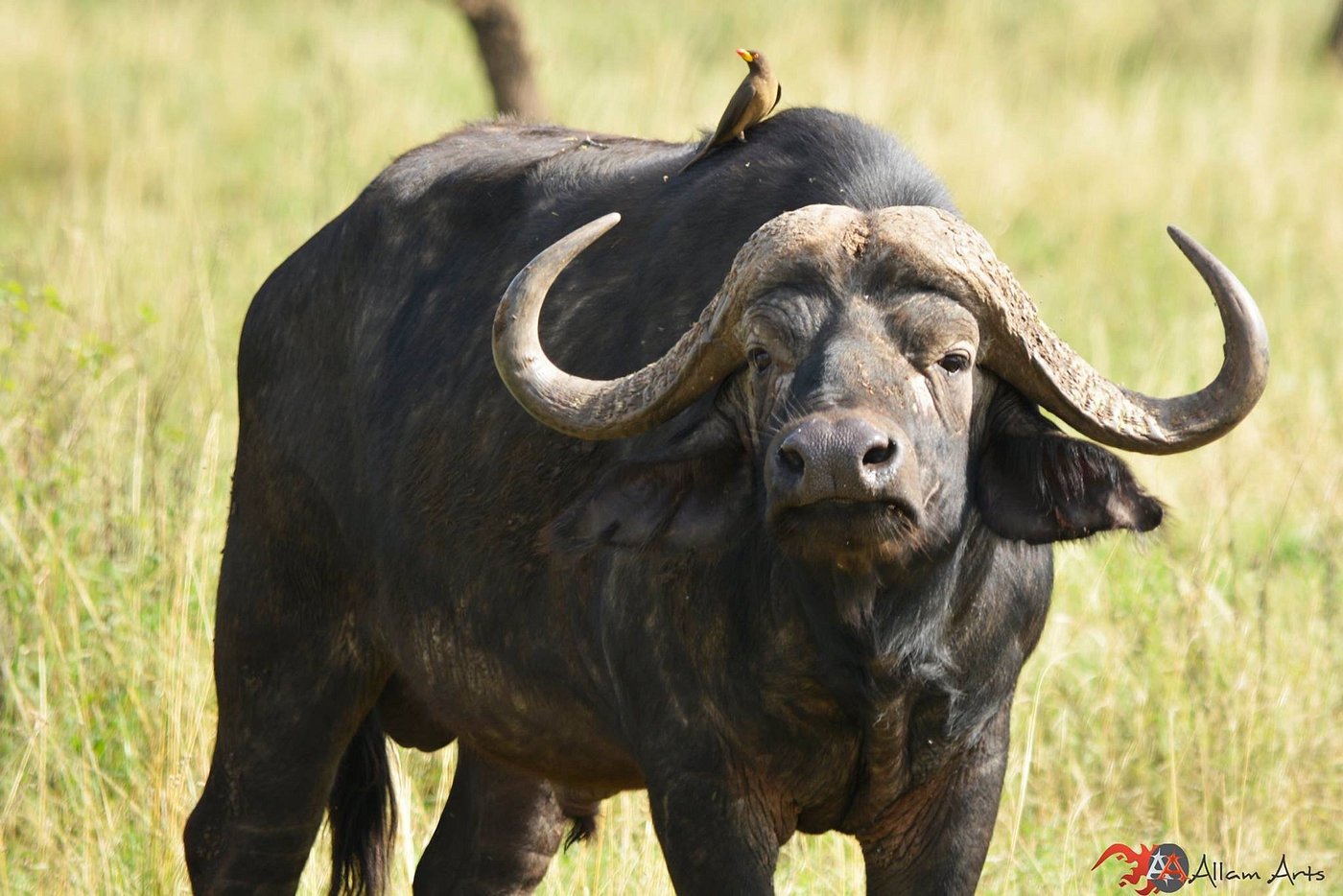
Common in grassland and near permanent water sources.

May be spotted in Lerai Forest or dense vegetation.
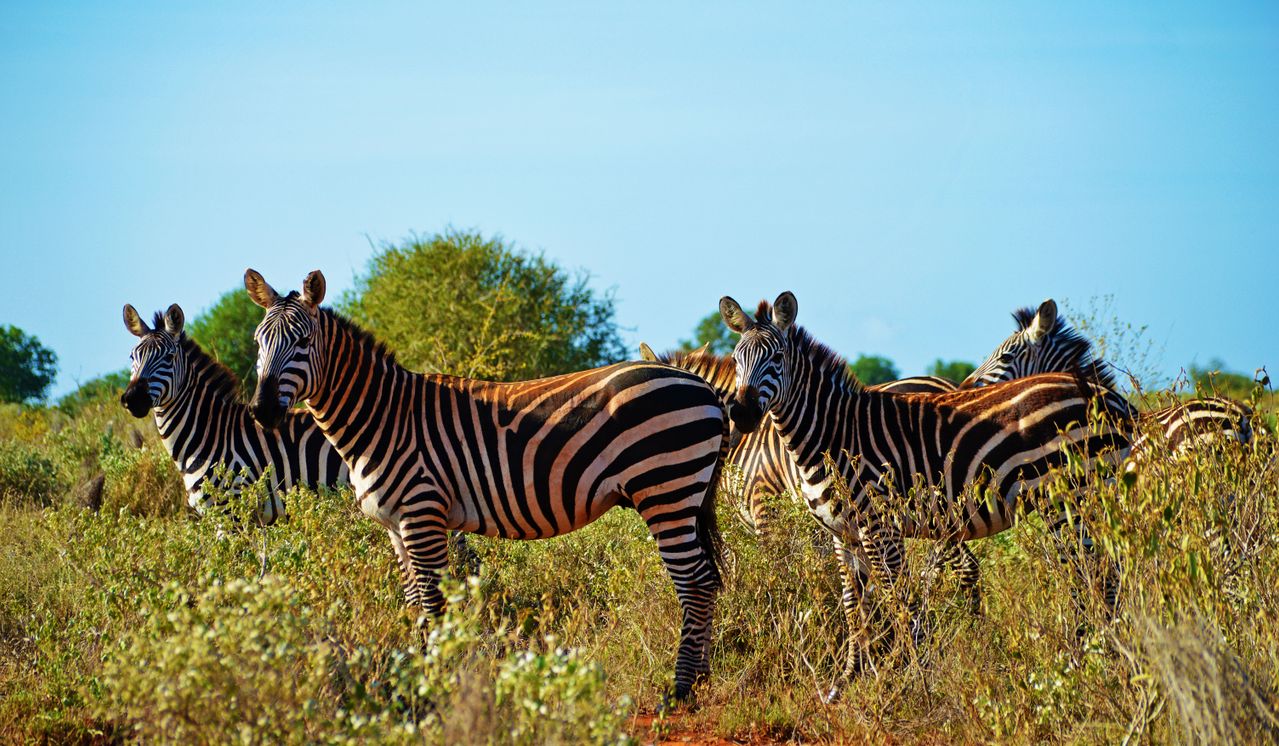
Large herds graze across the open short-grass plains.

Often seen in grassy areas and near wetlands.
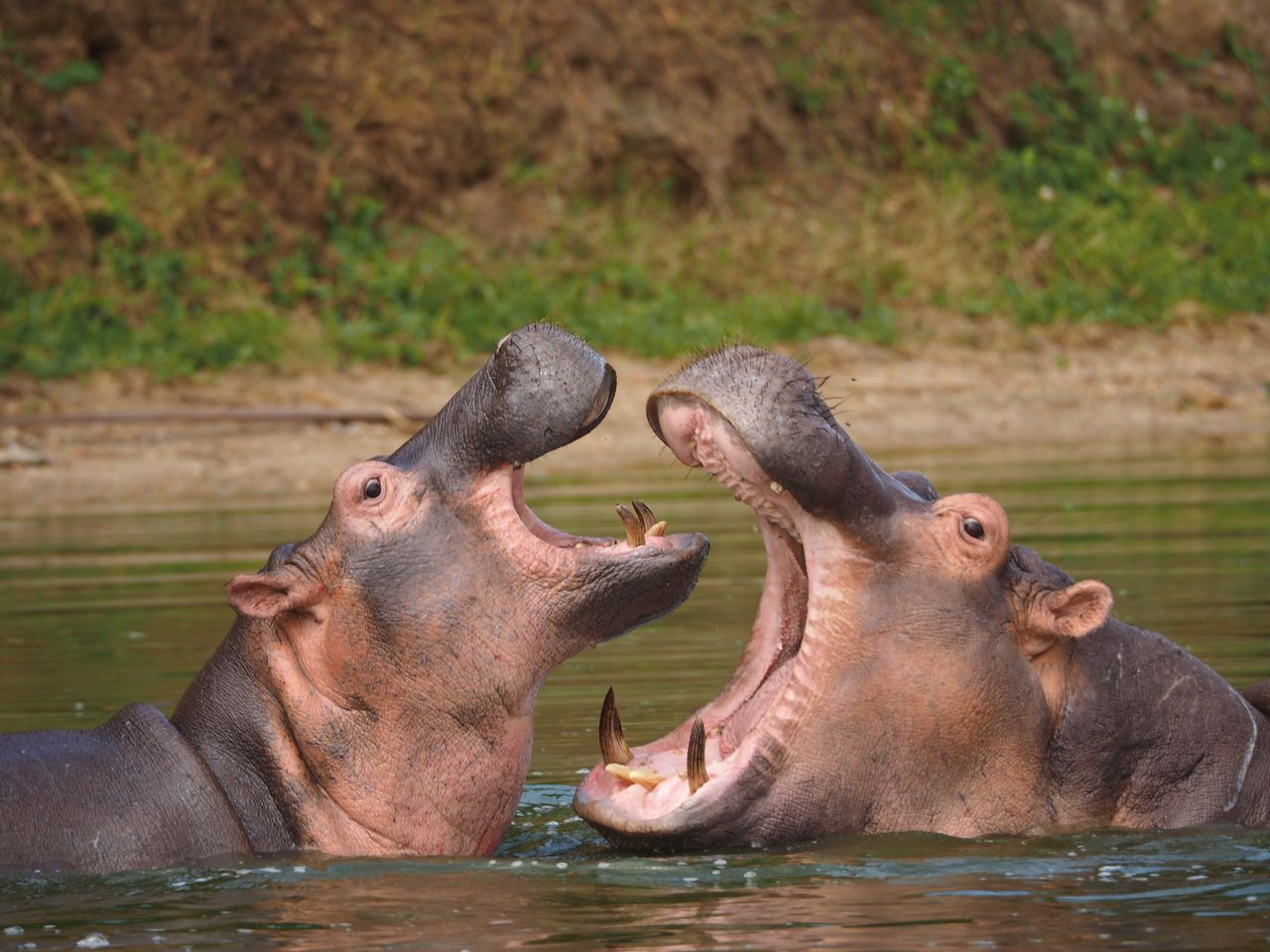
Gather in freshwater pools and swamps.
May gather at Lake Magadi when water conditions are suitable.
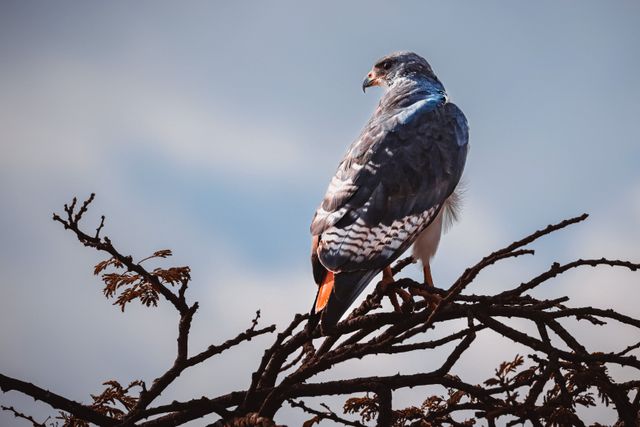
A large bird of prey often seen on grassland or trees.
Accommodations
Tanzania
Pakulala Safari Camp sits on the actual rim of the Ngorongoro Crater, within the Ngorongoro Conservation Area — the only tented camp positioned directly above the caldera itself. Eleven canvas tents are styled after early 20th-century safari expeditions, furnished with wood and leather touches, butterfly chairs, and carpets handwoven by local Mbulu women. There are no perimeter fences, so wildlife is free to move through the grounds by day or night.
Evenings center on the campfire overlooking the crater — sundowners, storytelling, and traditional Maasai dance performed by the local community the camp works closely with. It’s a small, intimate setup rather than a resort-style lodge, built for travelers who want to feel close to the landscape rather than insulated from it.
Tanzania
Nestled beneath a canopy of indigenous acacia forest on the eastern rim of the Ngorongoro Crater, Ngorongoro Lion’s Paw Camp offers an intimate luxury safari experience in one of Tanzania’s most spectacular wildlife destinations. Perfectly positioned for early access to the crater floor, the camp combines elegant tented accommodation, exceptional hospitality, and breathtaking natural surroundings to create an unforgettable safari retreat.
Designed to blend seamlessly with its environment, the camp features spacious luxury tents, cosy lounge areas, fine dining, and stunning views of the surrounding highlands. Whether you’re descending into the crater to search for the Big Five, enjoying peaceful evenings around the campfire, or relaxing after an exciting day of wildlife exploration, Ngorongoro Lion’s Paw Camp provides an authentic and luxurious African safari experience.
Tanzania
Perched on the slopes of the Olmoti Volcano within the Ngorongoro Conservation Area, The Highlands offers a unique and exclusive safari experience surrounded by the dramatic landscapes of Tanzania’s northern highlands. The camp’s distinctive dome-shaped suites combine contemporary design, comfort, and sustainability while providing breathtaking views across the volcanic landscape.
Located away from the busy crater rim, The Highlands provides a peaceful wilderness retreat where guests can experience the beauty of the Ngorongoro ecosystem, ancient forests, and rich Maasai culture. Its elevated position creates a cool, tranquil atmosphere and makes it an exceptional base for exploring the Ngorongoro Crater and surrounding attractions.
Tanzania
Nestled at an elevation of approximately 2,200 metres within the Ngorongoro Conservation Area, Laba Ngorongoro Lodge offers an exceptional safari experience where contemporary luxury meets one of Africa’s most spectacular natural wonders. Built on the historic site of the former Rhino Lodge, the property enjoys one of the closest locations to the Ngorongoro Crater entrance, allowing guests to begin their crater adventures with ease.
Designed to blend harmoniously with its surroundings, the lodge combines elegant architecture, refined interiors, and panoramic views of the surrounding montane forests, Oldeani, and Makroto Mountains. Whether visiting for wildlife, relaxation, or a romantic escape, Laba Ngorongoro Lodge provides an unforgettable base for exploring the UNESCO World Heritage-listed Ngorongoro Conservation Area.
There are no results matching your search
Location
Most nationalities receive South African entry on arrival; Zimbabwe issues an e-visa or visa on arrival. We confirm requirements for your passport.
Low-risk malaria areas — anti-malarials advised. No mandatory vaccinations from most countries; consult your travel clinic before departure.
South African Rand; US Dollars are widely used around Victoria Falls. Cards are accepted in cities; carry small USD for tips.
Warm days and cool mornings on safari in the dry season. Pack layers — early game drives can be cold even when afternoons are hot.
Neutral, breathable clothing, a warm layer, sun protection and binoculars. Soft bags are required on light aircraft, with strict weight limits.
Wi-Fi at all hotels and lodges, though deliberately gentle in the bush. Power is 230V; bring a universal adaptor.
The practical Guide
Descend into crater wildlife, rhinos and dramatic volcanic landscapes today.
Per Person
Discover Big Five game drives, Maasai culture and crater panoramas.
Per Person
Enjoy unhurried safaris, highland walks and unforgettable crater sunsets.
Per Person
Lake Eyasi is a shallow, seasonal soda lake located south of the Ngorongoro Conservation Area in northern Tanzania. Set within the Great Rift Valley, it is surrounded by dramatic escarpments, dry woodland, open plains and the Ngorongoro Highlands.
The lake changes greatly with seasonal rainfall. During wetter periods, it expands across the basin and attracts waterbirds, including flamingos, pelicans and waders. In drier months, much of the lake recedes, revealing salt flats and wide open landscapes.
Lake Eyasi is best known for its rich cultural heritage. The area is home to the Hadzabe, one of the last remaining hunter-gatherer communities in East Africa, and the Datooga, a pastoralist and blacksmith community with strong traditions and craftsmanship.
A visit to Lake Eyasi offers a quieter, more cultural experience than a traditional wildlife safari. Guests can take guided cultural visits, learn about traditional hunting and gathering practices, visit local villages, enjoy birdwatching and explore the scenic Rift Valley landscape.
Tarangire National Park is located in northern Tanzania, approximately 140 kilometres southwest of Arusha. It is an important part of Tanzania’s Northern Safari Circuit and is often visited alongside Lake Manyara, Ngorongoro Conservation Area and Serengeti National Park.
The park is named after the Tarangire River, a vital permanent water source that attracts large numbers of animals during the dry season. As surrounding water sources disappear, elephants, buffalo, zebra, wildebeest and many antelope species gather near the river and its swamps.
Tarangire is famous for its immense elephant herds and iconic baobab trees. Its landscape includes open savannah, acacia woodland, riverine forest, seasonal marshes and grassy plains. The park is also a rewarding birdwatching destination, with more than 550 recorded bird species.
The dry season offers especially impressive wildlife viewing, while the green season brings lush vegetation, migratory birds and dramatic skies. Tarangire’s quieter, uncrowded atmosphere makes it an excellent safari destination for visitors seeking a more peaceful experience.
Serengeti National Park is one of Africa’s most celebrated wildlife destinations. Located in northern Tanzania, it forms the heart of the Serengeti–Mara ecosystem, a vast sweep of grassland, woodland, river valleys and granite kopjes that extends toward Kenya’s Maasai Mara.
The park is world-famous for the Great Migration, when more than a million wildebeest, together with zebra and gazelle, move through the ecosystem in search of fresh grass and water. The timing and location of the herds change throughout the year, creating a different safari experience in every season.
Serengeti is also one of the best places in Africa to see large predators. Lions, leopards, cheetahs and spotted hyenas thrive here, supported by the immense populations of grazing animals across the plains. Elephants, giraffes, buffalo, hippos and many antelope species add to the park’s exceptional diversity.
From sunrise game drives across endless grasslands to evenings beneath star-filled skies, Serengeti offers a classic and unforgettable Tanzania safari. Its size and variety make it ideal for visitors seeking wildlife, photography, landscapes and the drama of the natural world.
Zanzibar is a Tanzanian archipelago in the Indian Ocean, best known for the main island of Unguja, its white-sand beaches, turquoise water and historic Stone Town. It is an ideal beach escape after a Tanzania wildlife safari.
Stone Town, Zanzibar City’s historic quarter, is a UNESCO World Heritage Site. Its maze of narrow lanes, carved wooden doors, mosques, markets and old merchant houses reflects centuries of African, Arab, Indian and European influence.
The island’s coastline offers a wide choice of experiences, from lively beaches and water sports to quiet coves, coral reefs and traditional fishing villages. Snorkelling, diving, dhow sailing, kite surfing and sunset cruises are popular activities.
Zanzibar is also known as the Spice Island. Guided farm visits reveal cloves, cinnamon, nutmeg, vanilla and tropical fruit, while local cuisine combines Swahili traditions with Indian Ocean flavours and fresh seafood.
Arusha is a vibrant city in northern Tanzania and the main gateway to the country’s famous Northern Safari Circuit. It is the usual starting point for journeys to Serengeti, Ngorongoro Crater, Tarangire, Lake Manyara and Arusha National Park.
Set on the lower slopes of Mount Meru, Arusha enjoys a mild highland climate, leafy neighbourhoods and striking mountain views. Kilimanjaro International Airport lies nearby, making the city an important arrival point for safari travellers and mountain climbers.
The city offers far more than a convenient overnight stop. Visitors can explore colourful markets, coffee plantations, cultural centres, art galleries and restaurants serving Tanzanian and international cuisine.
Arusha is also an ideal base for day trips to Arusha National Park, Materuni Waterfalls, hot springs and Maasai cultural experiences. Its energy, diversity and location make it a natural beginning or ending to a Tanzania adventure.
Mount Kilimanjaro rises from the plains of northern Tanzania to 5,895 metres above sea level. Africa’s highest mountain and the world’s tallest free-standing mountain, it is one of the continent’s most recognisable natural landmarks.
Kilimanjaro National Park protects the mountain’s forests, moorlands, alpine desert and summit zone. Trekkers pass through striking ecological zones, beginning in rainforest and rising through heath, moorland and volcanic landscape toward the snow and ice of Kibo’s summit.
The mountain has three volcanic cones: Kibo, Mawenzi and Shira. Uhuru Peak on Kibo is the highest point and the goal of most climbers. Reaching it requires physical preparation, gradual acclimatisation and the support of licensed guides and mountain crews.
Several established routes offer different experiences, durations and scenery, including Marangu, Machame, Lemosho, Rongai, Northern Circuit and Umbwe. Kilimanjaro can be climbed without technical mountaineering equipment, but altitude makes the journey demanding and rewarding.
Arusha National Park is a compact but highly varied protected area located just outside Arusha city in northern Tanzania. It is one of the easiest safari parks to reach from the city and offers a refreshing introduction to Tanzania’s wildlife and landscapes.
The park is dominated by Mount Meru, Tanzania’s second-highest mountain. Its habitats range from montane forest and open grassland to alkaline Momella Lakes, the Ngurdoto Crater and the lush fig-tree forest around the park’s lower slopes.
Arusha National Park is known for giraffes, buffalo, zebra, warthogs and troops of black-and-white colobus monkeys. It is also a rewarding birdwatching destination, with more than 400 recorded species including flamingos on the Momella Lakes.
Visitors can enjoy game drives, guided walking safaris, canoeing on Momella Lakes when conditions allow and multi-day Mount Meru climbing expeditions. Its views of Kilimanjaro and Mount Meru make it especially rewarding for nature lovers and photographers.
Lake Manyara National Park is located near Mto wa Mbu in northern Tanzania, approximately 126 kilometres southwest of Arusha. It is a popular stop on Tanzania’s Northern Safari Circuit, often combined with Tarangire National Park, Ngorongoro Conservation Area and Serengeti National Park.
The park is named after Lake Manyara, a shallow alkaline lake that changes in size with seasonal rainfall. The lake and its surrounding wetlands provide important habitat for flamingos, pelicans, storks, herons and many other waterbirds.
The park’s habitats include lush groundwater forest, acacia woodland, grassland, floodplains and lakeshore wetlands. Springs from the Great Rift Valley escarpment sustain the evergreen forest, where visitors may encounter elephants, baboons, blue monkeys and a variety of forest birds.
Lake Manyara is particularly known for its large elephant herds and famous tree-climbing lions, which are sometimes seen resting in fig and acacia trees. Its compact size makes it ideal for a half-day or full-day safari experience.
Ngorongoro Crater is the world’s largest intact volcanic caldera and one of Tanzania’s most exceptional wildlife destinations. Located within the Ngorongoro Conservation Area, it lies on the Northern Safari Circuit between Lake Manyara and Serengeti.
The crater floor covers approximately 304 km² and is surrounded by steep walls rising up to 600 metres. Its grasslands, forests, swamps, soda lake and freshwater pools support an exceptional concentration of wildlife throughout the year.
Ngorongoro is one of the best places in Tanzania to see the Big Five. Lions, elephants, buffalo, leopards and the critically endangered black rhino can all be found in the crater, alongside zebras, wildebeest, hippos and many bird species.
A visit usually involves a full-day game drive descending from the crater rim to the floor. The surrounding conservation area also supports Maasai pastoral communities, making Ngorongoro a remarkable landscape of wildlife, geology and living culture.
There are no results matching your search
TOURS & SAFARIS
There are no results matching your search
How it works
01
Share where you long to go and what would make it unforgettable .
02
A tailor-made itinerary matched to the right camps and seasons.
03
We shape every detail until the journey feels entirely your own.
04
A dedicated team is with you from landing to homecoming.
GUEST REVIEWS
Verified We loved our Safari experience. I would 101% reccommend this company to anyone planning a safari in tanzania and kenya safari anytime soon. from the begining i was impressed quickly ,i was attended to from when i was booking always being answered on time ,everyone was friendly . One year before our trip, the communication was exellent ,our quote was customized exactly as we requested all expenses were clearly explained, and we knew exactly what to expect on the safari. We spent 12 unforgettable days on safari,starting from kenya ,Lake Nakuru,Maasai Mara through to serengeti in tanzania to ngorongoro crater, and finishing in Zanzibar beaches,every lodge we stayed in was selected in a very unique way. Our guide Peter from Kenya , was just amazing,passionate,knowledgeable and genuine enthusiasm,Not to talk of the Tanzania guide he was well knowledgeable too very professional and conversant,we learnt alot about Tanzania culture from him,i honestly couldn't imagine a better safari. The food in the wild picnics kept getting better every day, and the entire trip was perfectly organized.Everything ran smoothly and on time,yet there was always flexibility ,if we wanted to stop along the way ,leave earlier or later it was never a problem. The safari vehicle was reliable,cleaned daily and super comfortable. This trip you don't forget easily,it was worth every ???? ☺ Thank Matta luxu safari for giving us such a memorable experience ????Verified 15 days across Kenya + Tanzania + Zanzibar,reconnecting with mother nature. 15 days across Kenya + Tanzania + Zanzibar - Myself,the wife and two semi adult kids,just got back from reconnecting with mother nature -feeling alive full of energy and ready for anything just like the Maasai,After meeting our guide.A brilliant fellow ,knew his stuff inside and out,mellow and friendly,Lake nakuru was our first stop can't forget the hundreds of pink flamingos ,a proper welcome to Africa,Maasai mara was my favourite though,spotted a cheetah hunting at full speed and met the legendary Maasai and threw spears,crossed to the Serengenti next the place is massive,Giraffes walking with us felt like a story,Camping was peaceful ,lost in the wild in a good way ,Zanzibar was perfect,see like bath water,sunny happy vibes enjoying the beach and chilling with tipsy mimosa's, We showed up and never stopped enjoying to the end,everything ran smooth.This trip's going to stick with us forever.We appreciate your 5 star service,Thank you.Verified Matta luxury safari for business Matta went above and beyond to ensure a seamless experience. From the moment we arrived, we were greeted by attentive staff who ensured our every need was met. Our private tented accommodation was pure luxury - spacious, impeccably furnished, and boasting stunning views of the savannah. The tents even had designated work areas with reliable Wi-Fi, allowing us to catch up on work in between excursions.exeptional serviceVerified Marta luxury An unforgettable Romantic escape Matta Luxury Safaris provided us with an unforgettable adventure, filled with romance, excitement, and awe-inspiring moments. We're already planning our next safari with them, eager to create more memories that will last a lifetime. Highly recommended for couples seeking an extraordinary escape into the heart of Africa.Verified Unforgettable Adventure My experience with Matta luxury safaris during my business trip to Tanzania was nothing short of exceptional. The accommodations were luxurious , the food was delicious , and the safari itself breath taking . How would I forget about the guide ????. Our guide was incredibly knowledgeable about the wildlife and local ecosystem, enhancing our experience. Despite being a business safaris with colleagues, the safaris allowed us to bond and create unforgettable memories together. Anyone looking for a top-notch safaris experience in Tannzania Matta luxury exceeds all expectations and provides a seamless unforgettable journey !...Verified nothing short of transformative for our family, especially our 15-year-old daughter Maya, Our recent African adventure with MattLuxury was nothing short of transformative for our family, especially our 15-year-old daughter Maya, who dreams of becoming a veterinarian. Their Primate Package in Rwanda seamlessly transitioned into a Serengeti safari,Our daughter Maya, armed with a wildlife journal provided by MattLuxury, meticulously documented every encounter. The expert guides, with their in-depth knowledge, turned every game drive into an interactive wildlife biology lesson. Maya learned about predator-prey relationships, herd behavior, and adaptation strategies – all witnessed firsthand!Verified The secret life of Walter Mitty ???? For fans of "the secret life of Walter Mitty"the majestic Kilimanjaro beacons like a siren song,for me it became a reality with matta luxury safaris.it wasn't just about the climb (although the accomplishment was incredible).every step of the way,Matta facilitied a deeper connection nature.the experienced guides were knowledgeable about the mountain and shared fascinating Insights of the f!ora and fauna,gazing at the milky way above the clouds or witnessesing the sunrise paint the peak with golden hues were moments of pure awe.i am blessedVerified Memorable The serenity of the place is amazing. To the stuff keep up the great work. Thanks a lot for making my stay there with my friends a memorable moment. I highly recommend this place for anyone visiting Tanzania, it's top notch.Verified Thank you Martha! A huge shoutout to Martha from Matta! She patiently understood our different desires and created an 11-day Tanzanian adventure culminating in the ultimate beach escape in Zanzibar. She listened to each of us, understood our individual needs, and somehow found the magical balance that made everyone happy. Thanks, Martha, you're the real MVP!Verified 7 Day Kilimanjaro Trek with Matta luxury safaris My friend and I did 7 day Kilimanjaro trek via machame route with Matta African luxury safaris in late November and everything goes out as we planned. Our guide Joseph was awesome as he made us manage to summit the Uhuru peak. The team was good they sing for us several times. Thanks for our cook david as he made delicious food to us. Without forgetting the owner Martha for her prompt reply of our e mail and good organization of our trek to become successfully. We realy recommend this company and we promise we will come back again for safari with you guys.
answers
Wildlife viewing is excellent year-round because many animals remain within the crater. June to October offers drier weather, while November to May brings greener scenery and fewer visitors.
Ngorongoro is famous for its immense volcanic caldera, exceptional wildlife density, Big Five sightings and spectacular crater-rim views.
One full day is typically enough for a crater game drive, though two nights in the area provide a more relaxed experience and time for the highlands.
Yes. Lion, elephant, buffalo, leopard and black rhino all occur in the crater, although leopard and rhino sightings are never guaranteed.
The crater is within the Ngorongoro Conservation Area, a multiple-use conservation landscape and UNESCO World Heritage Site, rather than a national park.
The crater is in northern Tanzania, about 180 km west of Arusha, near Karatu and on the route to Serengeti.